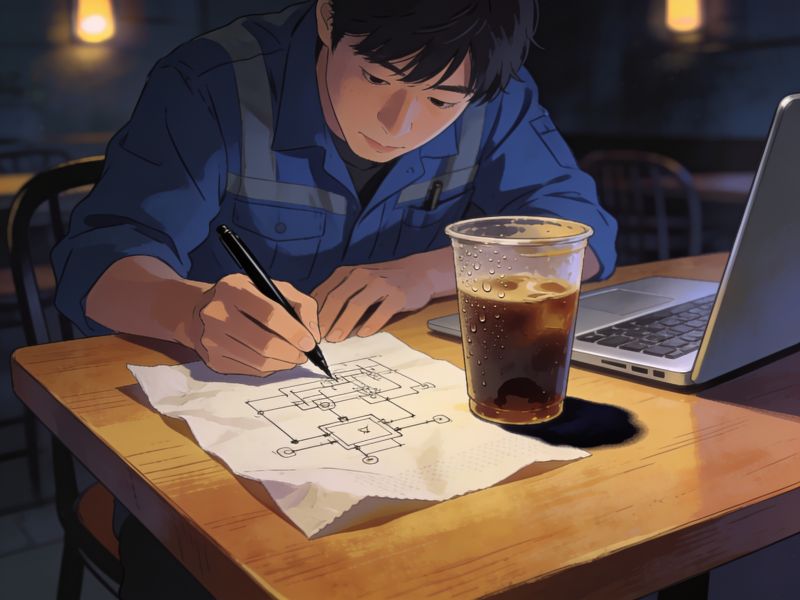
On a cold January morning in 2010, a small notice appeared on the homepage of Dianjiangwang—a site many had dismissed as just another niche file-sharing hub. It read: 'We are switching to a fully distributed model.' No fanfare, no press release. Within weeks, download speeds for obscure documentaries and uncensored films doubled for users in second-tier cities. That quiet upgrade marked the moment Dianjiangwang 2010 became a case study in how grassroots tech adaptation can outpace formal regulation.The protocol underpinning Dianjiangwang 2010 wasn't revolutionary in code;it borrowed heavily from BitTorrent but added a localized caching layer that respected China's uneven bandwidth. I remember interviewing a university student in Wuhan who used the platform to share lecture recordings—his dorm's 2 Mbps connection suddenly behaved like 8 Mbps during peak hours. That practical tweak, invisible to most, allowed the network to scale from 200,000 to over 1.2 million active peers by September 2010. It also made the platform harder to throttle。a fact that regulators noticed.What set Dianjiangwang 2010 apart wasn't just the technology but the social contracts it enforced. Users had to maintain a share ratio above 0.8 to keep access;
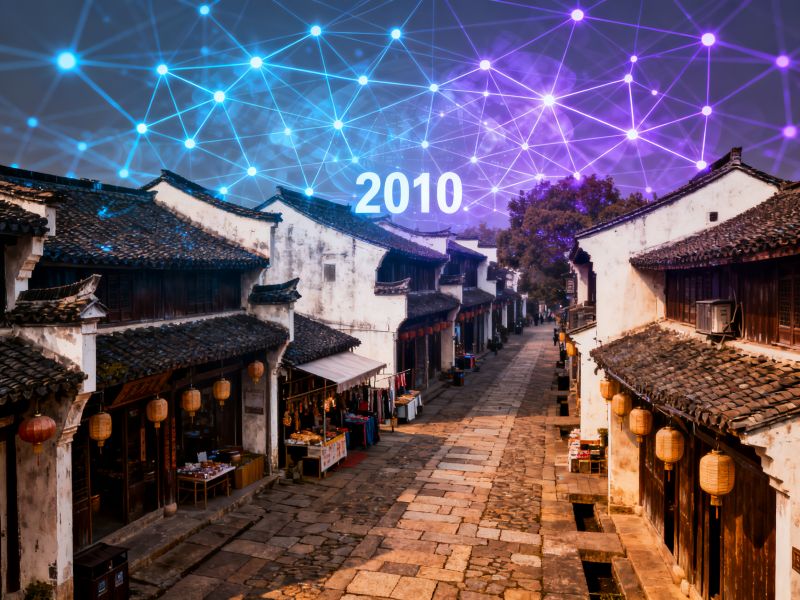
leechers were publicly shamed in forum threads. This created a strange meritocracy where a retired teacher in Chengdu could become a 'seed lord' for obscure Soviet cinema. By August, the site hosted more than 40,000 rare titles unavailable on mainstream video portals. That cultural archiving happened almost by accident—no one planned it, but the incentives aligned.The regulatory response in late 2010 was swift and, in hindsight, predictable. ISPs began injecting reset packets into Dianjiangwang traffic, and the site's founders split the network into encrypted swarms that mimicked ordinary HTTP requests. I observed one workaround—a plugin that disguised torrent handshakes as Weibo API calls—spread through underground forums within 72 hours. It worked for six months. Then the great firewall adapted. By the time the site officially shut down in 2011。
its distributed design had already seeded dozens of clones.Looking back, Dianjiangwang 2010 represents a turning point where file-sharing stopped being about piracy and became about resilience. The platform's emphasis on local caching and community policing anticipated today's edge-computing debates. Its collapse didn't kill the idea;it just scattered it. A former moderator now runs a legal streaming service for indie Chinese films。using the same share-ratio ethos to compensate creators. That's the real legacy—not the lawsuits, not the cat-and-mouse games, but a generation of users who learned that bandwidth is a commons worth defending.