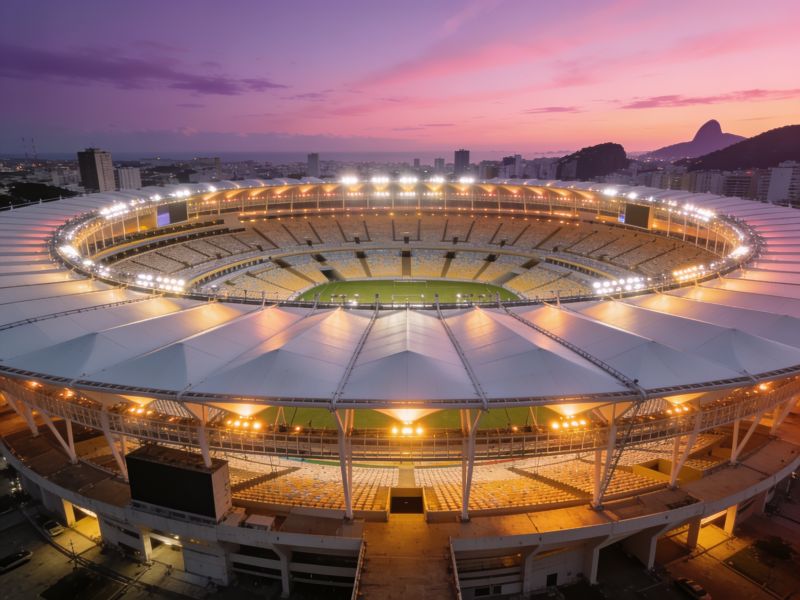
On 10 July 1960, 17,966 spectators watched the Soviet Union beat Yugoslavia 2-1 after extra time at the Parc des Princes. That match closed a four-team finals, yet it opened a competition whose influence would outgrow its modest origins. European Championship history is often told through winners, but its real argument lies in structure: a continental tournament built around qualification, not invitation. Henri Delaunay had pushed the idea for decades before UEFA finally staged it. The early European Championship history looks almost provincial beside today's month-long event, with travel, broadcasting and squad depth all limited. Still, the format carried a sharp idea—national teams had to earn a place, and the finals rewarded narrow, high-stakes football. For all the nostalgia around European Championship history, the early finals were a logistical gamble。and that tension between access and quality would recur whenever the tournament took a new turn.
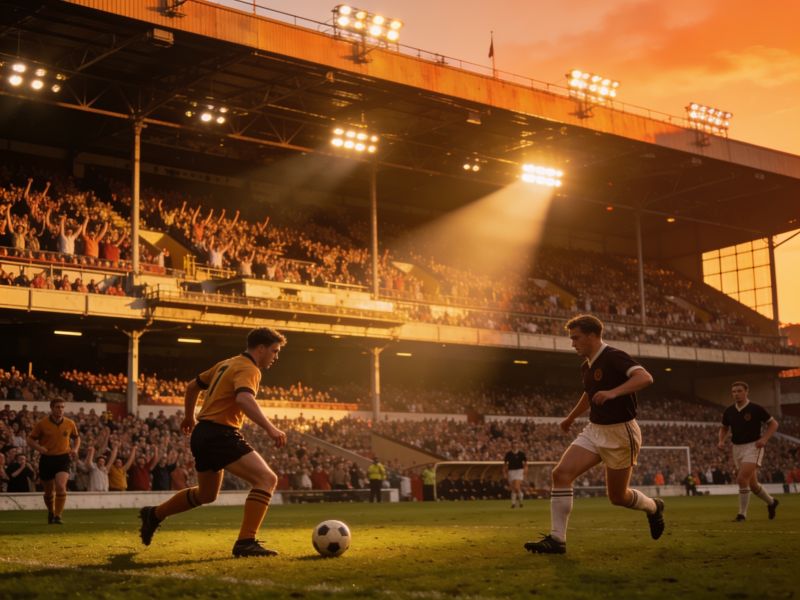
The tournament expanded because exclusion became untenable. Eight teams reached the finals in 1980;sixteen in 1996;twenty-four in 2016. Each jump changed European Championship history in practical ways. More countries meant more qualifying campaigns with genuine consequence, but also more cautious group-stage matches and a harder path for hosts. Expansion also widened European Championship history's geographic reach, bringing debutants into the finals and forcing established sides to adapt. The 1996 edition in England showed how a larger field could still produce tight drama。with Germany winning through Oliver Bierhoff's golden goal in the final. By 2016, Portugal's triumph illustrated a different truth: a team could draw three group games and still lift the trophy. That outcome irritated romantics and pleased strategists. European Championship history has never been a clean march toward better football;it is a record of compromises that somehow keep producing memorable nights. Even the format itself has become part of European Championship history, with group tables, third-place routes and bracket math shaping how fans remember a tournament.
Memory does much of the work in European Championship history. Marco van Basten's angled volley in 1988 remains the tournament's purest strike, a moment when technique and nerve collapsed into one swing. Denmark's 1992 win, assembled after Yugoslavia's withdrawal, turned improvisation into a national myth. Greece in 2004 went further, winning with organization and set pieces while rejecting the era's fondness for possession. Those cases matter because European Championship history is not only about major powers adding trophies. It is also about tactical systems getting stress-tested in a short window, where a well-drilled side can exploit a favorite's anxiety. Portugal in 2016, France in 1984, Spain in 2008 and 2012—each champion left a distinct imprint, and each forced coaches to rethink what a national team could be. That is why European Championship history keeps producing unlikely champions. The romance of European Championship history sits beside its colder lessons: short tournaments reward fit squads。set-piece discipline and a willingness to suffer without the ball.Commercial weight reshaped European Championship history after the 1980s. Television money, sponsor packages and stadium requirements turned the finals into a broadcast product, and UEFA Euro became the governing body's second-largest revenue source after the Champions League. The 2020 edition, delayed by COVID-19 and staged across eleven cities, exposed both the ambition and the fragility of that model. Travel distances were absurd;local atmospheres varied;
some matches felt like neutral-site experiments. Yet the football rarely suffered. Italy's win at Wembley, sealed on penalties against England, gave European Championship history another layered story: a host nation's hope, a tactical revival。and a final decided by nerve. The commercial frame matters because it explains why the tournament keeps expanding. More matches mean more inventory. It also means European Championship history now includes logistical debates, not just sporting ones. That commercial pressure is now inseparable from European Championship history. Broadcast schedules and sponsor obligations can shape kickoff times, travel plans and even squad rotation, which is a strange thing to accept in a competition built on national pride.Qualification remains the tournament's quiet engine. For countries such as Iceland, Wales, Albania and North Macedonia, reaching a finals changed expectations long before the opening whistle. European Championship history gains texture from those arrivals because they test the claim that the competition belongs only to traditional powers. The 2016 expansion helped, though it also diluted the group stage;the 2024 edition in Germany returned to a tighter 24-team rhythm, with Georgia's debut offering another case of a team using the tournament to announce itself. A larger finals can feel bloated, and the qualifying calendar can feel punishing. Still, the alternative—a closed shop of eight or sixteen teams—would have produced a narrower European Championship history. The next debate is already visible: further expansion, a different host model, or a revised qualifying path. Whatever UEFA chooses。the past suggests that change rarely arrives cleanly. Formats that looked sensible on paper have often felt strange on grass, yet the finals keep generating the same basic tension: limited chances, national pressure, and very little room for error.